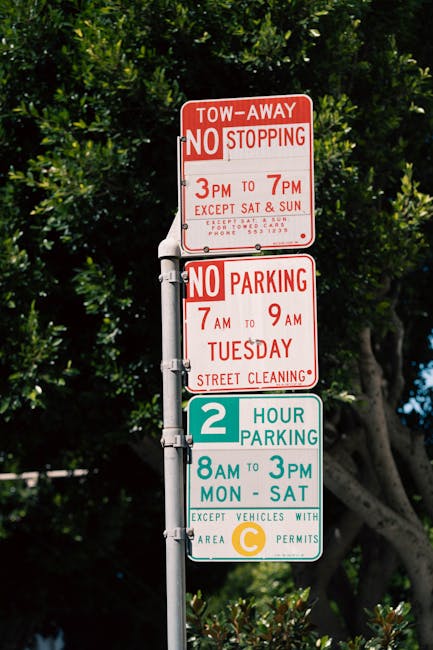
Loughton household waste and rubbish permit rules IG10: a practical guide for local residents and clear-outs
If you live in IG10 and you're trying to work out the Loughton household waste and rubbish permit rules IG10, you're not alone. People usually run into this topic when the garden is overflowing after a weekend tidy-up, the loft finally gets cleared, or a bulky item needs moving and the driveway is already full. The awkward bit is that "household waste", "rubbish", "permit", and "waste carrier" all get mixed together, and that's where confusion starts.
This guide breaks the subject down in plain English. You'll learn what permit rules usually mean in practice, how they affect household waste disposal, where homeowners and tenants tend to slip up, and how to stay on the right side of local expectations without making life harder than it needs to be. Truth be told, most problems come from acting too quickly and assuming every disposal option works the same way. It doesn't.
Why Loughton household waste and rubbish permit rules IG10 Matters
Permit rules matter because waste disposal is not just a logistics issue; it can become a compliance issue very quickly. If you place items somewhere they should not go, hand over rubbish to the wrong type of operator, or assume a van can collect anything without the right documentation, you can create problems for yourself and for the people handling the waste.
In a place like Loughton, where homes range from terraced streets and apartments to larger family properties, rubbish can build up in very different ways. One household might need a simple furniture lift-out. Another might have mixed waste from a garage clear-out, a bit of garden debris, and some broken small appliances. The rules behind that disposal matter because not all waste is treated the same.
There's also a practical side. A clear permit process, or at least a clear understanding of what is required, helps you avoid delays, extra charges, and the classic "we can't take that" moment at the kerb. And nobody enjoys that moment. Not after spending a Saturday sorting bags and tying up boxes with far too much tape.
Expert summary: The safest approach is to treat household waste as something that needs a proper route, proper sorting, and a proper provider. If a collection sounds too casual, it usually is.
If you are planning a larger clearance, it also helps to understand the difference between household rubbish and specialist waste streams. For example, a full home tidy-up may need more than a standard collection, while a garage or loft clearance can surface items that should be handled separately. Services such as house clearance, home clearance, and garage clearance often suit these mixed situations better than trying to manage everything on your own.
How Loughton household waste and rubbish permit rules IG10 Works
There are two layers to understand here. First, there is the everyday household side: what you can put out, what can be collected, and what needs separate handling. Second, there is the permit or authorisation side: whether a collector, site, or vehicle needs permission, registration, or proof that waste is being carried and processed correctly.
For residents, the key point is not usually about filling out complicated forms. It is more about knowing when a collection is legitimate, what details to check, and how waste should be presented. A reputable collector should be able to explain what they will take, how they sort recyclable material, and what happens to anything that cannot be reused. If they cannot explain that clearly, pause. That's not being fussy; that's common sense.
Here is how it generally works in practice:
- You identify the type of waste you have: household rubbish, bulky items, garden waste, DIY debris, or a mixture.
- You decide whether it is suitable for a council-style collection, a private waste removal service, or a specialist clearance.
- You check whether the operator is properly set up to handle the material and whether any permits, licences, or access permissions are needed.
- You place the items in a safe, accessible spot and keep separate any valuables, documents, or reusable items.
- The waste is removed, sorted, and taken to an appropriate transfer or treatment route.
The phrase "permit rules" can also show up when access is tricky. For example, if a vehicle needs to stop on restricted streets, use shared parking, or work near a managed block, permissions may be needed from the relevant property manager or authority. That is where planning matters. A quick five-minute check can save a lot of back-and-forth later.
For mixed household waste, many people find it easier to use a flexible collection option such as waste removal. If the job involves awkward access, a top-floor flat, or a packed family home, you may also find flat clearance or loft clearance more practical than a basic one-off collection.
Key Benefits and Practical Advantages
Getting the rules right is not just about avoiding trouble. It can make the whole job easier, calmer, and honestly a bit cheaper in the long run.
- Less risk of rejected collections: If your waste is sorted properly and the operator knows what they're handling, the job is much more likely to go smoothly.
- Better control over costs: A clear plan usually reduces last-minute add-ons. Mixed waste that has to be re-handled always costs more. Always.
- Safer handling: Broken glass, splintered wood, damp cardboard, old paint tins, and heavy furniture all need sensible handling.
- Cleaner recycling outcomes: When reusable or recyclable items are separated, more of the load can be diverted away from disposal.
- Less disruption at home: A tidy collection process avoids clutter hanging around in hallways, gardens, and front drives for days.
There is also a mental benefit, which people often underestimate. A clear system takes pressure off you. Once you know what can go, what needs special treatment, and what the provider expects, the job feels manageable instead of chaotic. That matters when you're already dealing with renovation dust, old furniture, or the strange smell that somehow appears the day you start clearing a shed.
If you want to improve reuse and reduce waste, it is worth thinking about where items should go before they are collected. Services like furniture clearance and furniture disposal are useful when sofas, wardrobes, beds, or dining sets are taking up space and need the right route out.
Who This Is For and When It Makes Sense
This topic matters to a fairly wide group of people in IG10. Some are dealing with a one-off household tidy-up. Others are moving out, downsizing, helping family members clear a property, or handling waste after a small home improvement project.
You'll usually want to pay attention to permit rules and proper waste handling if you are:
- a homeowner clearing out a loft, garage, shed, or spare room;
- a tenant preparing to move and needing to leave the property tidy;
- a landlord or letting agent handling end-of-tenancy rubbish;
- someone managing bulky rubbish after redecorating or light DIY;
- an older resident or family member arranging support with a sensitive clearance;
- anyone who has a mixture of household items, garden waste, and broken materials that do not fit neatly into one bin.
It also makes sense if access is awkward. Not every property in Loughton has an easy driveway or open frontage, and shared entrances can complicate timing. In those cases, a planned collection can be much more efficient than trying to do everything in stages.
For example, a family emptying a loft may find that the job begins with "just a few boxes" and ends with several bags of textiles, an old chest of drawers, and a pile of things nobody wants to decide on. It happens. A lot. That is why services like house clearance and loft clearance are often better suited than trying to push everything through a standard bin route.
Step-by-Step Guidance
If you want a simple way to approach the Loughton household waste and rubbish permit rules IG10, this is the most practical route.
- Identify the waste type. Separate furniture, general rubbish, garden cuttings, DIY debris, electrical items, and anything sharp or hazardous.
- Check access and permissions. If the collection vehicle needs to use a shared drive, controlled parking area, or managed block access point, confirm who needs to approve it.
- Decide on the disposal route. A small amount of ordinary rubbish may suit a basic collection, while a larger mixed load may need a full clearance service.
- Keep reusable items apart. Good books, usable furniture, and working appliances should not disappear into the wrong pile by accident.
- Ask how the provider handles sorting. Reputable operators will explain what is reused, recycled, or disposed of separately.
- Prepare the load. Move items to an accessible spot, but only where it is safe to do so. Don't block exits or leave sharp materials loose.
- Confirm the timing. If neighbours, parking, or access windows matter, line up the collection time before the bags are all outside in the rain.
A small but useful habit is to take photos of the waste before collection. Not for drama, just clarity. It helps if you need to confirm the size of the load, and it reduces misunderstandings about what is included. A quick picture on a phone can save a surprising amount of discussion.
If the job includes outside spaces, you may also want to consider garden clearance. Garden waste often looks innocent enough, but once it's wet and piled up, it becomes heavier and messier than people expect. Bit of a nuisance, really.
Expert Tips for Better Results
Small decisions make a big difference here. The people who have the easiest clear-outs tend to do a few things well from the start.
- Sort before you call. A rough sort into "keep", "donate", "recycle", and "remove" speeds everything up.
- Separate bulky furniture early. Sofas, wardrobes, tables, and mattresses can affect vehicle space and loading time.
- Think about lifting paths. Narrow staircases, low ceilings, and tight turns can turn a simple job into a careful one.
- Be honest about mixed waste. Don't describe a load as "just a few bags" if there are also old shelves, scrap wood, and broken tiles tucked underneath.
- Protect floors and walls. In older homes especially, scuffs happen quickly when items are dragged.
- Use a provider that talks clearly about recycling. You want someone who explains the process without wrapping everything in jargon.
There is a quiet confidence in a well-managed clearance. You hear the bags being lifted, the scrape of cardboard being flattened, the door closing behind the last item, and suddenly the room breathes again. That sounds dramatic. It isn't, not really. People notice the difference straight away.
If you are comparing service types, a good local clearance company should be able to help with everything from builders waste clearance after small renovation work to furniture disposal for larger household items. The best choice depends on what is actually in the pile, not just how much space it takes up.
Common Mistakes to Avoid
Most problems are avoidable. That's the good news. The less good news is that people keep making the same few mistakes because waste clearance feels simple until it isn't.
- Mixing different waste streams together. Garden cuttings, rubble, furniture, and general rubbish are not interchangeable.
- Ignoring access restrictions. A collection can be delayed or refused if parking, loading, or timing has not been thought through.
- Assuming every collector can take everything. Some items need special handling or separate arrangements.
- Leaving hazardous items in with household waste. Broken chemicals, sharp metal, and certain electrical items need care.
- Forgetting building management rules. Flats and estates often have their own access expectations, which can be easy to overlook.
- Choosing purely on speed. Fast is good, but only if it is also proper.
Another common slip is failing to ask about security and payment details before booking. It sounds dull, but if you want a smooth process, the provider should feel transparent. For peace of mind, you can also review practical pages such as payment and security and terms and conditions before confirming anything.
And yes, people sometimes leave the one item they meant to keep sitting right next to the rubbish pile. It happens more often than anyone admits.
Tools, Resources and Recommendations
You do not need a lot of specialist equipment for most household waste jobs, but a few basic tools make life easier.
- Heavy-duty bags or sacks: useful for smaller mixed rubbish and loose contents.
- Gloves: especially helpful for lofts, sheds, and garden spaces.
- Marker pen: handy for labelling items to keep, donate, or remove.
- Tape and boxes: useful for sorting documents, smaller items, and fragile bits.
- Phone camera: quick photos help you remember what belongs where and support clearer quotes.
- Measured awareness of access: honestly, a tape measure is underrated when stairwells and doorways are tight.
From a service perspective, choosing the right clearance category matters more than people realise. If the job centres on a full home clean-out, a home clearance may be more suitable. If the space is an office or mixed-use property, the rules and handling can look a little different, so it may help to understand office clearance or even business waste removal where relevant.
For residents who care about keeping waste handling responsible, the website's recycling and sustainability page is a useful place to understand the general approach to reuse and diversion from landfill. That's often what separates a decent service from a merely convenient one.
Law, Compliance, Standards, or Best Practice
When household waste and permit rules come up, it is wise to stay cautious and practical. Exact obligations can depend on the type of waste, the location, the access point, and who is carrying out the collection. In the UK, the important principle is straightforward: waste should be transferred to someone who is properly set up to handle it, and it should be dealt with in a traceable, lawful way.
As a resident, you do not usually need to master every technical detail. But you should expect clear answers to a few simple questions:
- Who is removing the waste?
- What will they take?
- How will it be sorted?
- Where will it go next?
- Are any permissions needed for access or parking?
That last point matters more than it first seems. In some situations, access permission may be a property-management issue rather than a waste-law issue. In other cases, the collection vehicle may need to comply with parking or loading restrictions. If you are unsure, get the access side clarified before the job starts. It saves a headache later.
Best practice also means keeping records where sensible. A booking confirmation, photos of the waste, and a clear scope of work can all help if there is any question about what was agreed. Nothing fancy. Just enough to keep things tidy.
If you are dealing with something that includes hazardous, heavy, or unusually awkward items, a provider that talks openly about health and safety policy and insurance and safety tends to be the safer choice. It is not about formality for its own sake. It is about avoiding preventable mess.
Options, Methods, or Comparison Table
Different disposal routes suit different situations. Choosing the right one usually comes down to volume, access, time, and how mixed the waste is.
| Option | Best for | Strengths | Limitations |
|---|---|---|---|
| Standard household bin route | Small, everyday rubbish | Simple and familiar | Not suitable for bulky or excess waste |
| Local council-style collection | Some bulky items or scheduled pickups | Structured and predictable | May have booking constraints and item restrictions |
| Private waste removal | Mixed waste, bulk loads, awkward access | Flexible and often faster | Needs careful provider selection |
| Full property clearance | Lofts, garages, houses, flats, end-of-tenancy jobs | Comprehensive and efficient | Usually overkill for a tiny load |
If you are unsure which option fits, think about the mess itself rather than the number of bags. One bulky sofa can be more complicated than six bin bags. A loft full of forgotten bits, for example, is rarely "just rubbish". It is usually a mixture of sentimental stuff, useful stuff, and "why did we keep this?" stuff.
That is why service pages such as furniture clearance, garage clearance, and house clearance are useful comparison points. They help you match the method to the actual job.
Case Study or Real-World Example
A typical Loughton scenario goes like this. A family decides to clear the garage before winter. At first, they think it will be a quick job: a few old boxes, a broken shelving unit, and some garden odds and ends. Once they start, they find a rusty bike, two large plastic tubs, a garden chair with one missing arm, and a pile of damp cardboard that has seen better days.
By midday, the driveway is cluttered and the bins are full. The obvious move would be to push everything into one collection without checking how it should be handled. But that can create a delay if mixed waste needs sorting or if access has not been arranged properly.
Instead, they separate the reusable bike parts, keep one small stack of items for donation, and group the rest into clear waste categories. They also make sure the collection vehicle can access the property without blocking the street. The result is simple: less stress, cleaner removal, and no awkward conversations at the kerb.
It sounds ordinary, because it is ordinary. But ordinary is exactly where good waste planning pays off. The little checks do the heavy lifting.
If the job had expanded into a bigger clear-out, they might have benefited from a combined service approach, perhaps using garage clearance for the store space and waste removal for the mixed rubbish. That kind of joined-up thinking is usually what keeps a simple job simple.
Practical Checklist
Use this before arranging collection or disposal in IG10.
- Have I identified the exact type of waste?
- Have I separated reusable items from rubbish?
- Do I know whether the load includes furniture, green waste, DIY debris, or anything sensitive?
- Have I checked whether access, parking, or building permissions are needed?
- Is the collection area clear and safe to reach?
- Have I asked how the waste will be sorted or processed?
- Do I know what is excluded from the booking?
- Have I kept documents, valuables, and sentimental items well away from the load?
- Is the provider transparent about payment, safety, and terms?
- Am I using the right service type for the job, not just the quickest-sounding one?
If you can tick most of those off, you are in a good place. Not perfect, maybe, but good enough to avoid the common headaches. And honestly, that is usually what people want most.
Conclusion
The main thing to remember about Loughton household waste and rubbish permit rules IG10 is that the details matter more than the label. A household pile is not just "rubbish", and a collection is not just "someone turning up with a van". Access, waste type, sorting, permissions, and safe handling all play a part.
Once you understand that, the job becomes much easier to manage. You can choose the right route, avoid delays, and make sure useful items are handled properly. That saves time, reduces stress, and helps keep your property tidy without unnecessary drama. Which, let's face it, is always the goal.
For more about the company behind these services, you can also read the about us page and review the site's complaints procedure if you want extra reassurance before booking. A little due diligence goes a long way.
Get a free quote today and see how much you can save.
When the clutter is gone and the space feels light again, the whole house seems to exhale a bit. That quiet reset is worth doing properly.
Frequently Asked Questions
What do Loughton household waste and rubbish permit rules IG10 usually refer to?
They usually refer to the permissions, access arrangements, and proper handling needed when household waste is collected or removed in IG10. In practice, this can include parking access, property permissions, and making sure the waste is going to the right place.
Do I need a permit to get rid of household rubbish in Loughton?
Not always. For many household collections, the more important issue is using a legitimate service and following the correct access or property rules. If a vehicle needs to stop in a restricted place, then permission may be needed for that part of the job.
Can I put furniture out with general rubbish?
Usually, it is better not to mix bulky furniture with general rubbish unless the collection service has confirmed that it is acceptable. Furniture often needs separate handling because of its size, materials, and loading requirements.
What happens if my waste includes garden cuttings and old furniture?
That is a mixed load, so it may need sorting before removal. Garden waste and furniture are commonly treated as different waste streams, and separating them helps the process run more smoothly.
Is loft clearance treated the same as regular household waste?
Not really. Loft clearance often reveals a mixture of items: textiles, paper, furniture, sentimental storage, and general rubbish. Because of that mix, it is usually handled more like a clearance than a simple bin job.
How do I know if a waste removal service is suitable?
Look for clear explanations of what they take, how they handle sorting, what access they need, and how they deal with safety and payment. If those basics are vague, that is a warning sign.
Can a flat clearance need extra permission?
Yes, it often can. Flats may involve shared entrances, parking controls, lifts, or estate rules, so access arrangements should be checked before the collection happens.
What should I do with items I still want to keep?
Move them out of the collection area completely and, if needed, label them clearly. It sounds obvious, but during a busy clear-out it is surprisingly easy for one keep-item to end up beside the wrong pile.
Are DIY materials treated like household rubbish?
Sometimes yes, sometimes no. Small amounts of light DIY waste may be manageable, but heavier or more specialist materials often need separate handling. It depends on what the material is and how much there is.
How can I reduce the cost or hassle of disposal?
Sort the waste beforehand, separate reusable items, keep access clear, and choose the right service type for the load. The more organised the waste is, the smoother the collection usually becomes.
What if I only have one bulky item to remove?
Then a targeted furniture or bulky-item collection may be enough. It is worth checking whether a smaller, more focused service makes more sense than a full clearance. Sometimes one item is just one item, thankfully.
Where can I learn more about responsible disposal and company standards?
You can review pages such as recycling and sustainability, insurance and safety, and health and safety policy for a better sense of how a professional service approaches the work.