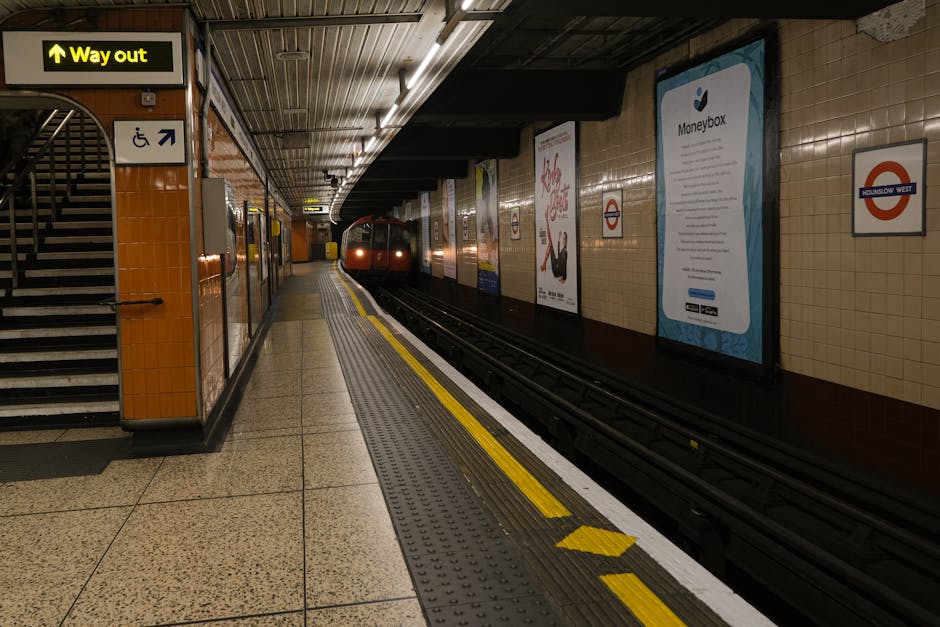
Rubbish clearance for Loughton tube station area flats
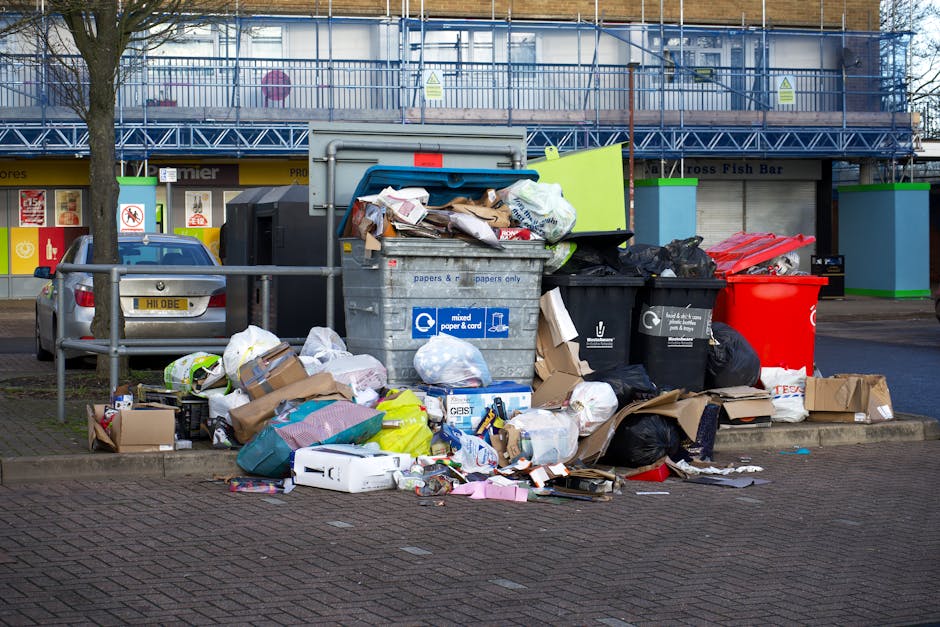
If you live in a flat near Loughton tube station, rubbish can pile up faster than you expect. One bag becomes three. A broken chair waits in the hallway. A flat-pack box sits by the door for a week. Before long, the place feels cramped, messy, and oddly stressful. That is where rubbish clearance for Loughton tube station area flats comes in: a practical way to remove unwanted items quickly, safely, and with far less hassle than trying to wrestle everything down the stairs yourself.
This guide explains how flat clearance works, what to expect, where the real pain points are, and how to avoid the usual mistakes. It is written for people who want a tidy flat, a smoother moving day, or simply a sensible plan for clearing clutter without turning the whole thing into a weekend disaster. Truth be told, in a busy London location, convenience matters as much as the clearance itself.
Why Rubbish clearance for Loughton tube station area flats Matters
Flats around a tube station tend to have a few things in common: tighter storage, shared access, limited lift space, and neighbours who will notice if the stairwell is blocked. That makes rubbish clearance more than just a tidy-up job. It becomes part of keeping the building pleasant, safe, and workable for everyone.
In a flat, clutter can be harder to ignore because it spreads into the spaces you use every day. The spare room becomes the dumping ground. The balcony starts collecting old furniture. The hallway gets crowded with cardboard, broken appliances, or bags that should have gone weeks ago. You know how it goes. One minute it is "just temporary"; the next, the living room feels smaller than it should.
Good clearance is also about reducing friction with neighbours and managing the practical realities of shared living. Narrow entrances, parking restrictions, and timing concerns around commuter traffic can all make a simple job feel surprisingly fiddly. When the area is busy around the station, you really do notice the difference between a planned clearance and a rushed one.
There is also a standards issue. Waste should be handled properly, and that includes sorting items for reuse, recycling, and lawful disposal where appropriate. A professional approach helps avoid fly-tipping risks, unwanted mess in communal areas, and the kind of half-finished removal that leaves you wondering why you started in the first place.
Practical takeaway: for flats near Loughton tube station, rubbish clearance is not just about removing waste. It is about doing it cleanly, quickly, and without upsetting the building or the day around it.
How Rubbish clearance for Loughton tube station area flats Works
The process is usually straightforward, but the details matter. In most cases, it starts with a quick assessment of what needs to go, where the items are located, and how access works. A ground-floor flat is one thing. A second-floor flat with a tight staircase and no lift is another story entirely.
For a typical flat clearance, the job often begins with photos or a brief description. That helps establish whether you are clearing general household rubbish, old furniture, mixed waste, white goods, or a combination of everything and the kitchen sink. From there, the clearance team can estimate the labour, vehicle size, and time needed.
On the day, the usual sequence is:
- Confirm access arrangements and any timing limits.
- Separate reusable, recyclable, and general waste where possible.
- Remove items carefully through the flat, stairwell, and exit route.
- Load waste into the vehicle in a tidy, controlled way.
- Leave the immediate area swept and presentable, if that is part of the service.
That last bit sounds small, but it makes a real difference. A decent clearance should not leave you with dust, splinters, or a trail of packing tape down the stairs. Slightly boring perhaps, but very welcome.
For residents near the station, timing can matter a lot. If parking is tight or access is busy, a good clearance plan will account for those constraints rather than pretending they do not exist. A clear booking conversation usually prevents a lot of awkwardness later.
Key Benefits and Practical Advantages
The obvious benefit is that the clutter disappears. But the real value is usually bigger than that. Most people do not call for rubbish clearance just because they enjoy the sound of a van outside. They want breathing room, time back, and less stress.
- More usable space: clearing unwanted items instantly changes how a flat feels, especially in compact rooms.
- Less strain: you avoid hauling heavy bags, awkward furniture, and bulky waste down stairs.
- Better safety: fewer trip hazards in hallways, kitchens, balconies, and storage areas.
- Cleaner shared areas: important in blocks where one person's clutter can quickly affect everyone else.
- Time savings: what could take a whole weekend of sorting, lifting, and driving can often be handled far more efficiently.
- Improved moving-day readiness: useful if you are selling, renting, or preparing for new tenants.
There is also a psychological benefit that people underestimate. A cleared room can feel calmer almost immediately. The light comes back. You can see the floor again. The flat suddenly feels like somewhere you actually want to live, not somewhere you are always catching up with.
If you are deciding between doing it yourself and booking help, ask a simple question: will the saved effort be worth the disruption? Sometimes yes. Sometimes absolutely not. For many station-area flats, the answer becomes obvious once you picture carrying a wardrobe past a narrow landing at 8am. Not fun.
Who This Is For and When It Makes Sense
Rubbish clearance for flats near Loughton tube station suits a wide mix of people, not just those doing a full move-out. In fact, many jobs are smaller than people imagine at first.
This service may make sense if you are:
- moving out of a rented flat and need to leave it clear
- landlord-preparing a property for new occupants
- dealing with years of accumulated clutter
- clearing old furniture after a replacement delivery
- emptying a flat after refurbishment or decorating
- sorting a loft, storage cupboard, or spare room in a compact property
- managing a probate or inheritance clearance where the property needs to be cleared respectfully
It also helps in situations that are a bit less obvious. For example, if you have just bought storage units from a flat-pack retailer and the packaging is taking over the corridor, a quick clearance can restore order without a major project. Same with old gym equipment. It always looks manageable until you try to drag it to the lift.
To be fair, some people wait too long because they assume the job is too small to justify help. But a small job can still be awkward, especially in flats. If the waste is bulky, heavy, or mixed, the difficulty is not the volume alone. It is the handling.
Step-by-Step Guidance
Here is a practical way to approach rubbish clearance without overcomplicating it.
1. Walk through the flat and identify what is actually going
Start room by room. Separate items into keep, donate, recycle, and dispose. That first pass matters because many delays happen when people book a clearance before they have decided what should stay. The fastest jobs are the ones where the decision-making has already happened.
2. Check access routes
Look at staircases, lifts, door widths, communal hallways, and parking. If there is a tight turn on the landing, mention it. If the flat is on the upper floor and there is no lift, say so. Clear information upfront saves time and prevents awkward surprises.
3. Group items by type
Putting everything into one corner can help, but separating cardboard, furniture, and bagged waste can make the collection smoother. It also makes recycling more realistic. Even a rough separation helps.
4. Flag anything special
Items like fridges, freezers, mattresses, paints, chemicals, or broken electronics may need extra handling. They are not impossible to remove, but they should be treated with care and not just tossed into a pile with ordinary rubbish.
5. Choose a sensible time window
In a busy station area, timing can help a lot. Early slots can sometimes be calmer. Midday can be convenient. The best slot is the one that works with building access and avoids congestion where possible.
6. Make the final sweep
Before the team leaves, check cupboards, under beds, behind doors, and balcony corners. People leave things behind there all the time. Keys, chargers, old paperwork, a forgotten lamp. It happens.
If you want the cleanest result, keep your instruction simple: what stays, what goes, and what needs care. That clarity is worth more than a long explanation.
Expert Tips for Better Results
Over time, the jobs that go smoothly tend to share a few habits. Nothing fancy. Just small choices that save effort.
- Sort before the collection day: the less indecision on site, the better.
- Keep communal areas clear: avoid placing bags in hallways or shared entrances for longer than necessary.
- Measure bulky items: if a sofa, bed base, or wardrobe is awkward, note its size before the team arrives.
- Label what must not be taken: a simple note or taped sign can prevent accidental removal.
- Ask about recycling first: you may be able to divert more material than expected.
- Plan around neighbours: in flats, a little consideration goes a long way.
One small but useful tip: take a quick photo of the items to be removed before collection. It helps keep everyone aligned, especially if you are not on site all day. And yes, it also stops the classic "I thought that chair was staying" moment. That one is always a bit awkward.
Another good habit is to deal with clutter before it turns into layered clutter. If you can remove the first pile, you often prevent the second and third. Small win, but it adds up.
Common Mistakes to Avoid
Most clearance problems are not dramatic. They are ordinary mistakes that create avoidable friction.
- Underestimating access: what looks easy in a living room may be hard on the stairs.
- Leaving sorting until the last minute: this slows everything down and increases stress.
- Forgetting building rules: some flats have quiet hours, lift reservations, or parking limits.
- Mixing special waste with general waste: this can complicate handling and disposal.
- Assuming one trip will do it: larger clearances often need planning, not guesswork.
- Blocking shared spaces: communal hallways are not waiting rooms for household rubbish.
Another common issue is trying to save time by putting everything into whatever bag is nearest. Fine in theory. Less fine when the bag splits halfway down the stairs. You can almost hear the sighs from the landing.
It is also a mistake to treat all clearance jobs the same. A one-bedroom flat with soft furnishings and cardboard is very different from a property full of mixed bulky waste. Good planning depends on the actual items, not a vague idea of "some rubbish."
Tools, Resources and Recommendations
You do not need a shed full of equipment to organise a flat clearance, but a few simple tools make life much easier.
- Heavy-duty bags or sacks: useful for bagged household waste and soft items.
- Gloves: sensible for protection when handling sharp or dusty materials.
- Strong tape and labels: handy for marking keep items, breakables, or items not to remove.
- Measuring tape: useful if bulky furniture needs to get through a narrow route.
- Camera phone: good for documenting what needs to go or what condition the flat was in before clearance.
- Trolley or sack truck: can help with heavier items, though flats often make manual handling tricky anyway.
From a service perspective, it helps to compare clearance options carefully. If you need a broader clean-out alongside rubbish removal, a service such as flat clearance may suit a full-property job better than a simple waste uplift. If the issue is mostly bulky household items, furniture clearance can be a better fit. And for mixed domestic waste, the more general waste removal page is worth a look.
If you are comparing service types, think in terms of the job in front of you, not just the label. That sounds obvious, but people often book the wrong thing because they are in a rush. A flat tidy-up, a single-item lift, and a full clearance are not the same beast.
Law, Compliance, Standards, or Best Practice
Waste clearance in the UK should be handled responsibly and in line with accepted waste management practice. Without getting too legalistic, the key point is simple: rubbish should not be dumped, burned, or left in communal areas, and any removal should be handled by people who know how to deal with the material properly.
For flat residents, the most practical compliance points are usually these:
- Do not obstruct common parts: hallways, stairwells, and exits should remain usable.
- Separate hazardous or specialist items: paint, chemicals, batteries, and certain electrical items may need different handling.
- Use a responsible disposal route: waste should go to appropriate facilities, not informal dumping.
- Check landlord or building rules: some blocks have clear requirements about timing, access, and noise.
- Keep records where needed: especially if you are a landlord, agent, or business owner arranging a larger clearance.
Best practice also includes recycling where practical and keeping transport efficient. A well-run clearance should aim to reduce waste going to landfill where suitable alternatives exist. The service pages on recycling and sustainability and health and safety policy are useful references if you want to understand how a responsible company approaches the job.
If the clearance involves building work leftovers, it may be more appropriate to treat it as builders waste rather than household rubbish. In that case, builders waste clearance is the more relevant route. And if the property is part of a business setup rather than a private home, business waste removal may be the better match.
Options, Methods, or Comparison Table
There are usually three broad ways to deal with flat rubbish near the station: do it yourself, use a man-and-van style removal, or book a professional clearance service. Each has a place.
| Option | Best for | Advantages | Limitations |
|---|---|---|---|
| Do it yourself | Very small loads, light items, plenty of time | Can be cheaper if you already have transport | Heavy lifting, parking, time, disposal rules, physical strain |
| Mixed vehicle removal | Mid-size loads, bulky furniture, limited household waste | Flexible and often quicker than self-haul | May still require significant lifting and sorting |
| Professional clearance | Flats with awkward access, mixed waste, or larger volumes | Less stress, better handling, more efficient cleanup | Usually costs more than doing it yourself |
For many flats near Loughton tube station, professional clearance becomes the sensible choice once access is tight or the items are awkward. A sofa is not just a sofa when you are trying to turn it round on a narrow landing. Suddenly it is a geometry problem.
If the flat also needs internal decluttering, not just disposal, home clearance or house clearance may be more appropriate than a narrow rubbish-only service. For storage spaces like lofts and garages, the related loft clearance and garage clearance pages are useful comparisons too.
Case Study or Real-World Example
Here is a realistic example. A couple in a one-bedroom flat near the station had been meaning to clear the spare room for months. It had become the "stuff" room: an old armchair, three broken shelving units, several black bags of mixed clutter, cardboard from deliveries, and a disassembled desk that never made it back together after a move.
At first they thought they could deal with it in one evening. Then they opened the cupboard and found more items hidden at the back. Classic. By the time they started moving things, they realised the hallway was too narrow for the larger furniture to be dragged out safely without scratching the walls.
The sensible approach was to sort everything first, separate what could be kept, and identify the bulky items that needed lifting carefully. The result was not just a cleaner room. The whole flat felt brighter. The room could finally be used as an office again, which was the original plan all along.
The key lesson? A flat clearance job is rarely just about "getting rid of stuff." It often restores how you use the property. That can be a huge difference, especially in a compact London flat where every square metre matters.
Practical Checklist
Use this checklist before arranging clearance for a flat near Loughton tube station.
- Identify exactly what needs to be removed.
- Separate items to keep, donate, recycle, or dispose of.
- Check whether anything is bulky, fragile, or specialist waste.
- Confirm access routes: stairs, lift, entrance, parking, and loading space.
- Review building rules or quiet hours.
- Measure large furniture if there is any doubt about access.
- Clear the path from rooms to exit points.
- Remove personal documents and valuables first.
- Decide whether you need a full flat clearance or just waste removal.
- Take photos if you want a record of the items or the room condition.
Quick reminder: a little prep before the day can save a surprising amount of time. Sometimes ten minutes of sorting prevents an hour of faffing about later. Very British, but true.
For pricing clarity and booking information, the pricing and quotes page is a sensible next stop. If you need background on the company itself, about us gives a helpful overview, and contact us is the place to ask about a specific flat or access issue.
Conclusion
Rubbish clearance for Loughton tube station area flats is really about making small spaces work better with less stress. Whether you are moving out, clearing after a refurbishment, or just reclaiming a room that has become a storage overflow, the right approach makes the process calmer and far more manageable.
The best results usually come from clear sorting, realistic planning, and a service choice that fits the property rather than forcing the property to fit the service. That is the bit people often miss. A flat near the station has its own rhythm, its own access quirks, and its own practical limits.
If you take one thing from this guide, let it be this: plan the clearance around the flat, not around wishful thinking. It saves time, reduces mess, and makes the whole job feel much lighter. And once the clutter is gone, the place can breathe again.
Get a free quote today and see how much you can save.
Sometimes the best improvement is simply getting the room back. Quietly, neatly, and without fuss.
Frequently Asked Questions
How does rubbish clearance for a flat near Loughton tube station usually work?
It usually starts with a description or photos of what needs removing, followed by an agreed time slot and a collection plan. On the day, the items are removed from the flat, loaded safely, and taken away for disposal or recycling where appropriate.
Can bulky furniture be cleared from a flat with narrow stairs?
Yes, in many cases it can, but access needs to be checked first. Narrow staircases, tight corners, and communal hallways can change how items are removed, so it is best to mention these details before booking.
Do I need to sort everything before the clearance team arrives?
It helps a lot, but you do not always need to do a perfect job. A basic sort into keep, recycle, and dispose makes the process smoother. The clearer the instructions, the less chance of confusion on the day.
What kinds of items are commonly removed from flats?
Typical items include bagged rubbish, old furniture, broken shelving, cardboard, mattresses, small appliances, and general clutter. If you have specialist waste, such as chemicals or certain electrical items, mention that in advance.
Is rubbish clearance suitable for tenants and landlords?
Yes. Tenants often use it when moving out or decluttering, while landlords may need it between lets or after a property has been left full of unwanted items. The main thing is to check the property condition and access requirements first.
How do I know whether I need flat clearance or just waste removal?
If the job is mainly about household rubbish and loose items, waste removal may be enough. If the property needs several rooms cleared or has bulky furniture and mixed items, flat clearance is usually the better fit.
Will the communal areas be left tidy?
A good clearance should avoid damage and leave shared areas as neat as possible after the items are removed. That said, it is always worth asking in advance what is included so expectations are clear.
What should I do with old electronics or broken appliances?
Do not leave them in the communal bin area unless that is specifically allowed. Tell the clearance provider what you have, because certain appliances may need different handling from ordinary rubbish.
How far in advance should I book a clearance?
As early as you can, especially if you need a specific time slot or if the flat has tricky access. In busy areas near transport links, planning ahead tends to make life easier.
Is recycling included in rubbish clearance?
It often is, where items can be sorted responsibly. The level of recycling depends on what is being removed, but a well-run service should aim to divert reusable or recyclable material where practical.
What if I need help with the whole property, not just one room?
Then a broader service such as home clearance or house clearance may be more appropriate. Those options are useful when the job is larger than a simple rubbish uplift.
Can I combine rubbish clearance with furniture or loft clearing?
Yes, and that can be a smart approach if several areas need attention at once. Many people clear a flat and a storage space in the same visit, which can save time and reduce disruption.
What should I ask before booking a quote?
Ask what is included, how access is handled, whether special items are accepted, and what happens with recycling or disposal. If parking or lift use is restricted, mention that too. The more honest the details, the better the outcome.